Media literacy activities and lesson ideas for high school
Eight activities you can run this week, each built on a real artifact and a named method, with the free tools behind them. Skip the worksheets. Give students something to actually take apart.
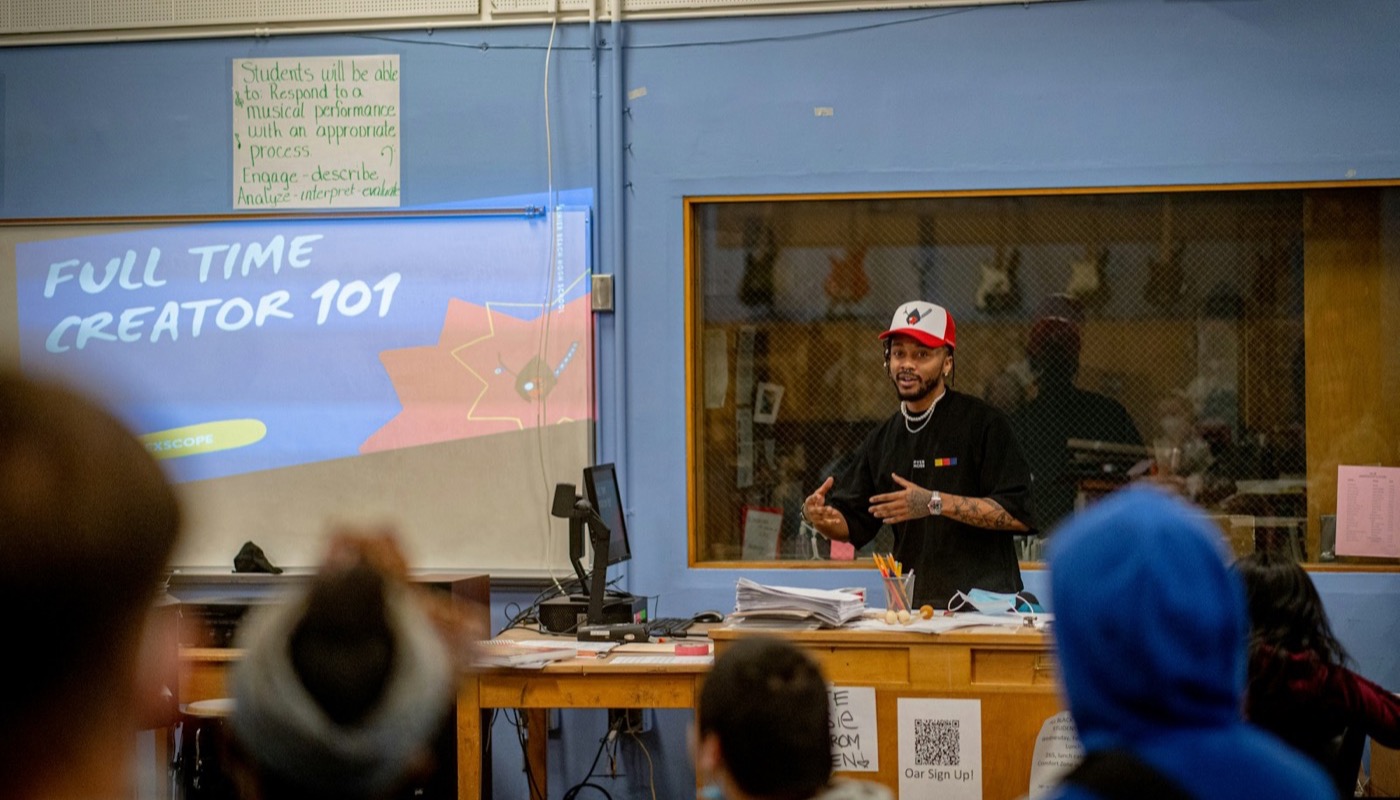
The activities that land pair a real piece of media with a named method: a lateral reading challenge, comparing coverage with AllSides, deconstructing an ad with the 5 Key Questions, a real-or-AI image gallery, and student news production. Each one below names the free tool or framework behind it.
Eight media literacy activities
1. Lateral reading challenge
Give students an unfamiliar source and have them leave its page immediately, opening new tabs to see what other trusted sites say about it. This is how professional fact-checkers work, and the free Civic Online Reasoning lessons give you ready-made examples.
2. Compare the coverage
Take one current event and read how three outlets frame it. Use the AllSides side-by-side view or the Ad Fontes Media Bias Chart to map the differences, then discuss what changed and why.
3. Headline vs. article
Have students read only a headline and predict the story, then read the full article. Where the two do not match, you have a live lesson in clickbait and framing.
4. Deconstruct an ad
Put a real advertisement in front of the class and run it through the Center for Media Literacy's 5 Key Questions: who made it, what techniques it uses, how people might read it differently, what is left out, and why it exists.
5. Real-or-AI image gallery
Show a mix of real and AI-generated images and have students judge each one using reverse image search and content credentials. Our guide to spotting AI-generated content gives you the method and the myths to avoid.
6. Fact-check a viral post
Take a real viral claim and have students trace it to its primary source, checking Snopes or PolitiFact and reverse-searching any image. The SIFT method gives them the steps.
7. News diet log
Have students follow one story across sources for a week and log where they saw it and how the algorithm shaped what they were shown. It turns their own feed into the lesson.
8. Produce a news segment
Students report and produce a short news segment or infographic on a real local story. Making the media is what NAMLE's "create" pillar is about, and it cements everything else.

A daily version: read the news at three levels
Follow one story, then debate it
Assign the same journalist-written story at three reading levels so every student can access it, then have them take the built-in quiz and poll and debate the framing. This is a daily, low-prep version of the activities above. Newsreel is a paid school plan and was named NAMLE's 2025 Resource of the Year. Newsreel is also included in Generation Citizen's Digital Media Literacy toolkit for educators.
Free platforms worth knowing
- Checkology (News Literacy Project) for structured, interactive news literacy lessons.
- Common Sense Education for free K-12 media literacy and digital citizenship materials.
- MediaSmarts for a full digital and media literacy framework, including grades 9-12.
For the full set of options, see our roundup of the best media literacy tools for schools and our guide to how to teach media literacy in the classroom.
A ready-made daily activity
Newsreel Classroom turns each day's news, written by journalists, into a short assignment at three reading levels with a quiz and poll. Book a demo to see it in your classroom.
Explore Newsreel ClassroomFrequently asked questions
What are good media literacy activities for high school?
Strong high school activities include a lateral reading challenge, comparing how outlets cover the same event, deconstructing an advertisement with the 5 Key Questions, a real-or-AI image gallery, fact-checking a viral post, and having students produce their own news segment. The best ones use a real artifact and a named method.
How do you teach media literacy to teenagers?
Use real media teenagers already see, keep activities short and repeatable, and drive them with questions rather than lecture. Pair a named framework like the 5 Key Questions or lateral reading with current events, and have students create media of their own.
What is a media literacy lesson plan?
A media literacy lesson plan pairs a clear skill, like evaluating a source or spotting bias, with a real media artifact and a structured activity. Good plans name the method used, give students something concrete to analyze or create, and end with reflection on what they learned.
What free media literacy resources exist for high school?
Free options include Checkology from the News Literacy Project, Common Sense Education, MediaSmarts, and the Civic Online Reasoning lessons from the Digital Inquiry Group. AllSides and the Ad Fontes Media Bias Chart are useful free tools for comparing coverage.