







Japan Launches Mission to Bring Home Pieces of Mars’ Moon
A spacecraft is heading to Phobos to collect rock and soil samples in an unprecedented mission that could reveal how Mars acquired its two moons.
 Nadya Yeh
The hook 🪝
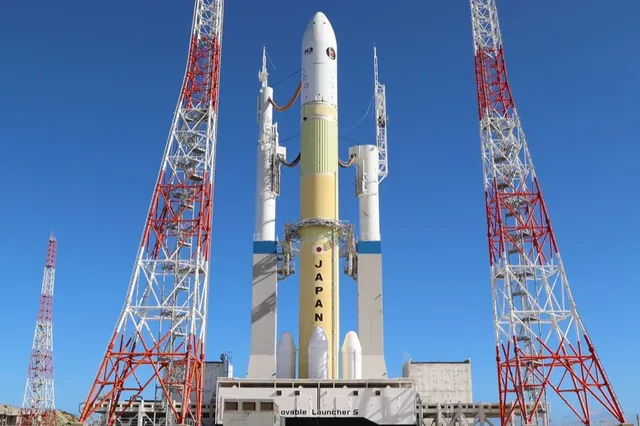
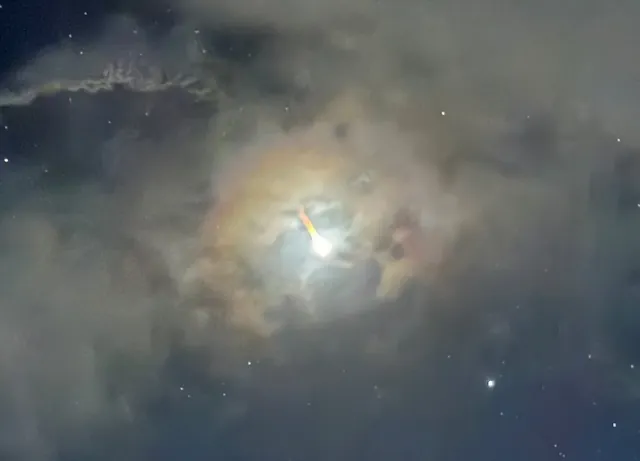
A Japanese spacecraft blasted off from Tanegashima Island before dawn Tuesday, beginning an ambitious five-year journey to Phobos, one of Mars’ two moons. The mission aims to land on its rocky surface, collect samples, and return them to Earth in 2031.
Why you should care 🌐
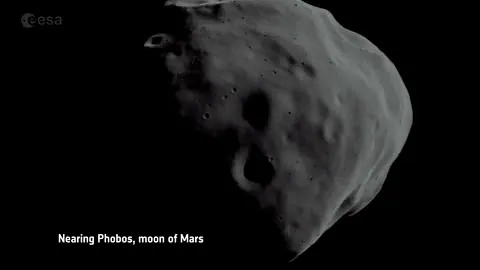
No mission has successfully returned samples collected directly from Mars or its moons. The material could help scientists determine how Mars’ moons formed and provide new insights into the planet’s early history.
Zoom in 🔍
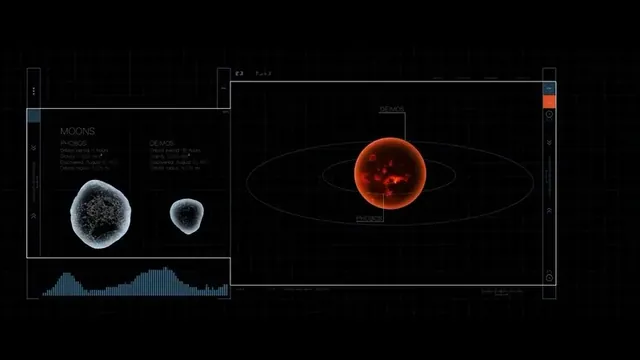
Phobos is only about 17 miles across, and its gravity is less than one-thousandth of Earth’s, making landing unusually difficult. The main spacecraft will attempt to remain on the surface for about two hours while collecting at least 10 grams of rock and soil.
The mystery of Mars’ moons 🌜🌛
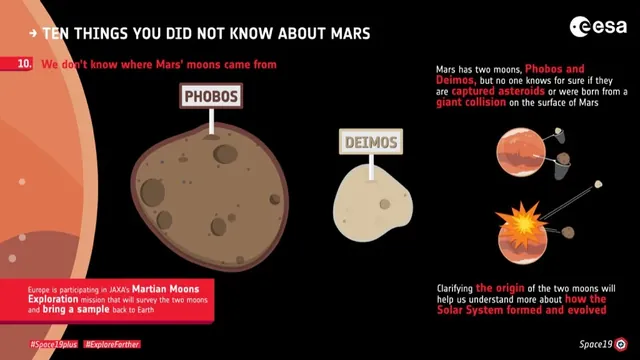
Scientists have two leading theories: Mars either captured passing asteroids with its gravity, or a massive collision scattered debris that eventually formed its moons. Phobos resembles an asteroid, but its nearly circular orbit suggests it may have formed from a collision.
What to watch for 👀
Scientists believe Phobos may contain fragments of Mars that were thrown into space by ancient asteroid impacts, which if present, could help researchers study material from Mars itself without landing on the planet.
What does Phobos resemble, according to scientists?
Understanding Mars' past should be a major priority for space exploration.