Leadership in
Journalism,
Media and
Communications
The Leadership in Journalism, Media and Communications Program. Learn the craft from award-winning reporters and leave with your byline on a real story.
What you’ll learn
Reporting & writing
You will pitch your own story, interview real sources, write on deadline, and revise until an editor says it is ready. It is the same process professional newsrooms run every day.
Open-source investigation
Trace public records, social accounts, and images the way investigators do, and verify what you see online before you repeat it. Newsreel’s CEO teaches this one himself.
Video & multimedia
Not every story is written. You will produce short-form video journalism for the platforms where your generation actually gets its news.
Business of journalism
Where the money comes from: subscribers, sponsors, and the economics that decide which stories get told.
Editorial standards
Every draft is fact-checked, sourced, and edited to a professional standard, because you are writing for a real audience that expects to trust you.
Your instructors
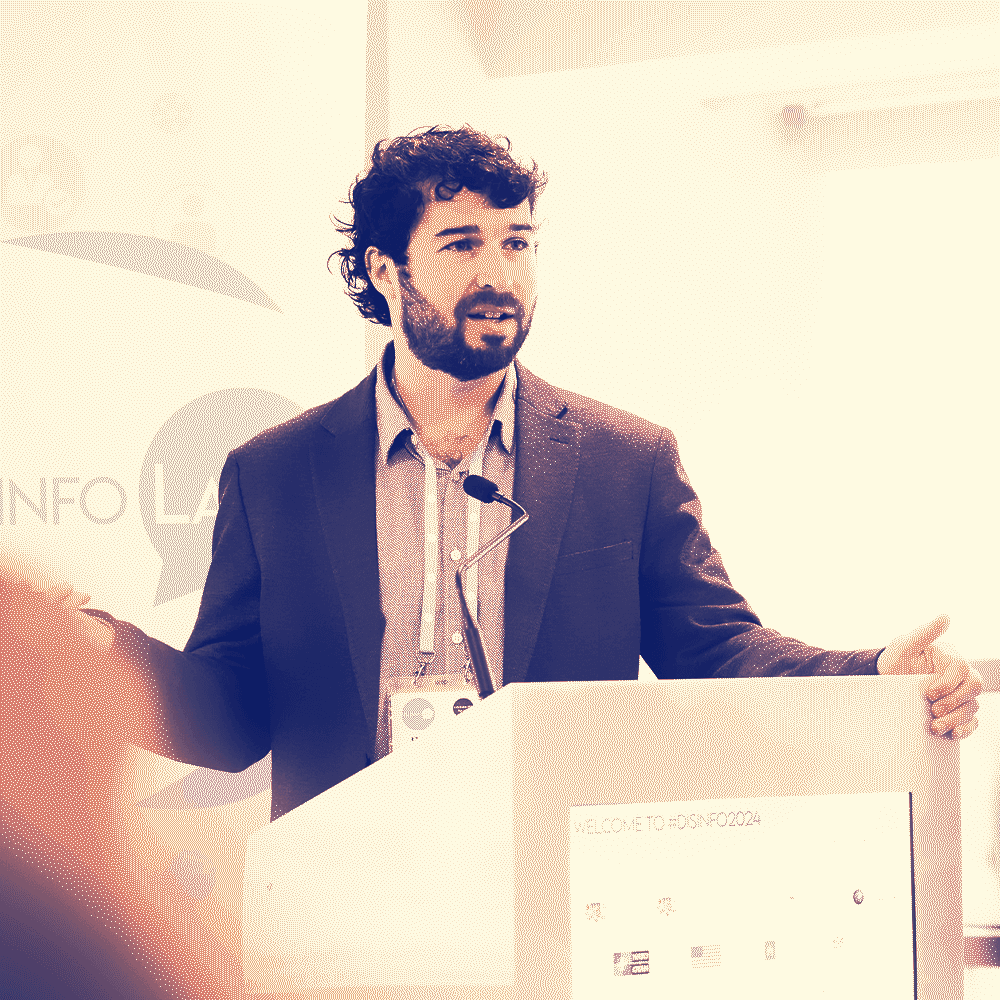
Jack Brewster
CEO
Jack has written for The Wall Street Journal, Forbes, Time, Vice, and Fortune, and broke the story tracing the viral Springfield, Ohio migrant claim to its source. A Forbes 30 Under 30 honoree and a former Fulbright research fellow, Jack teaches open-source investigation and the business of journalism for Newsreel Academy.
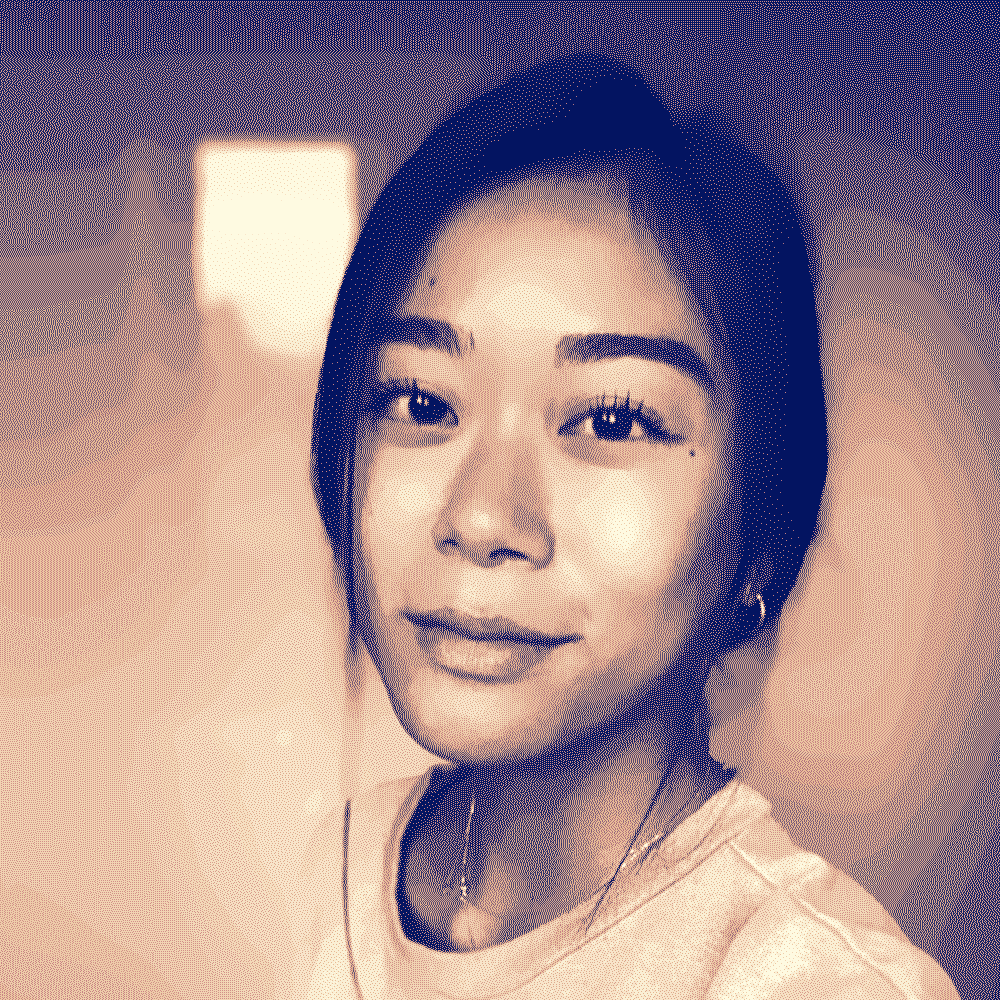
Nadya Yeh
Senior Editor
Nadya edited coverage of Chinese politics and business as a senior editor at The China Project and at the China Institute. With a master’s in journalism from Columbia University, Nadya leads editorial operations for Newsreel, and teaches reporting and editorial standards for Newsreel Academy.
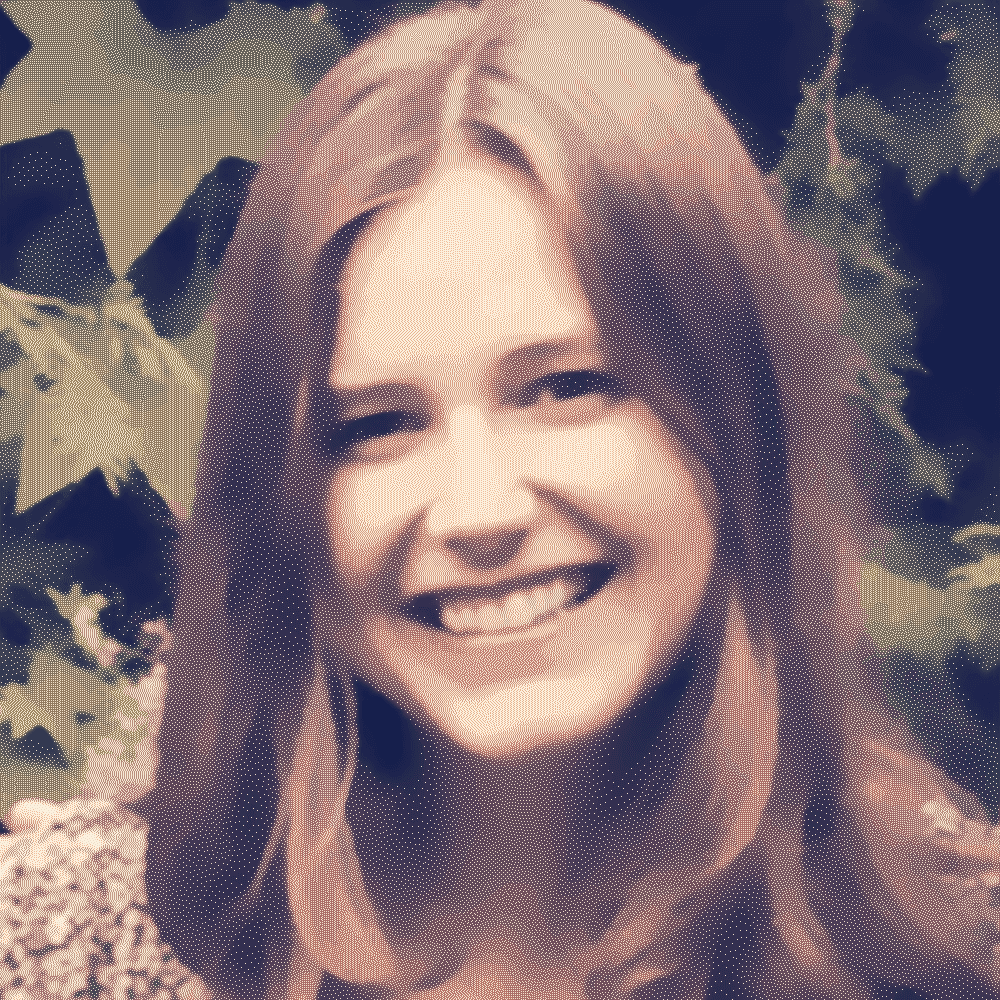
Eliza Haverstock
Editor
Eliza reported on money and markets for nearly a decade at Forbes, Bloomberg, and PitchBook. A University of Virginia graduate in economics and history who also teaches English, Eliza edits student stories for Newsreel Academy.
Three Saturdays, one byline
Saturdays · 9–11am PT / 12–2pm ET
The reporting toolkit
- Pitch a story you care about
- Find and approach sources
- Interview like a reporter
Report your story
- Chase interviews and documents
- A 30-minute 1:1 with your editor
- Slack access all cohort long
Write and revise
- Structure, ledes, and revision
- Line edits from a Newsreel editor
- Draft due Jan 6, written over winter break
The byline is real
The Peptide Boom: How the Pursuit of Faster Results Is Reshaping Youth Fitness Culture
From social media trends to emerging science, young athletes and experts weigh in on the growing role of peptides in fitness.
Reported and written by Chris Jeon, Newsreel Academy student. His sources: a Stanford Medical School peptide researcher, a sports medicine physician, and the teenage lifters living the trend.
Read the story →“The sessions you taught gave me a perspective on journalism that I know I’ll carry with me.”
Sanghmitra, Summer 2026 cohort
Common questions
How do applications work?
Fill out the application: name, grade, school, a short response, and any writing sample (school paper, essay, blog post, anything). We read every application ourselves. If you’re a fit, you’ll hear from us within a week with your acceptance, the paperwork and a payment link. Nothing is due before that. You only pay if you’re accepted.
I’m in high school. Can I really do this?
Yes. The program is a selective, internship-style intensive: real assignments, a working editor, a published clip, and the Editorial Intern title on completion. You pay tuition rather than earn a wage, and we say that plainly.
Do I need experience or clips to get in?
Build clips instead of waiting for a placement: your school paper, local outlets, student contests, and programs that end with something published. Editors hire from clips. The program exists to hand you your first one.
Who will actually teach me?
Journalists from newsrooms including Forbes, Bloomberg, and Columbia Journalism School, working in cohorts capped at 15 students so everyone gets edited directly.
What if I don’t want to be a journalist?
No. Plenty of people take it to learn how to check a source, run an open-source investigation, or interview someone properly. Those are useful whatever you end up doing.